Dumpster Permits in Norfolk, VA: What You Actually Need to Know
A plain-language walkthrough of when the City of Norfolk requires a permit for a roll-off dumpster, and how to get one without the runaround.
ReadWhat's Allowed guide
Know before you load: a practical rundown of what's fine to toss and what Virginia and federal rules keep out of a roll-off container.
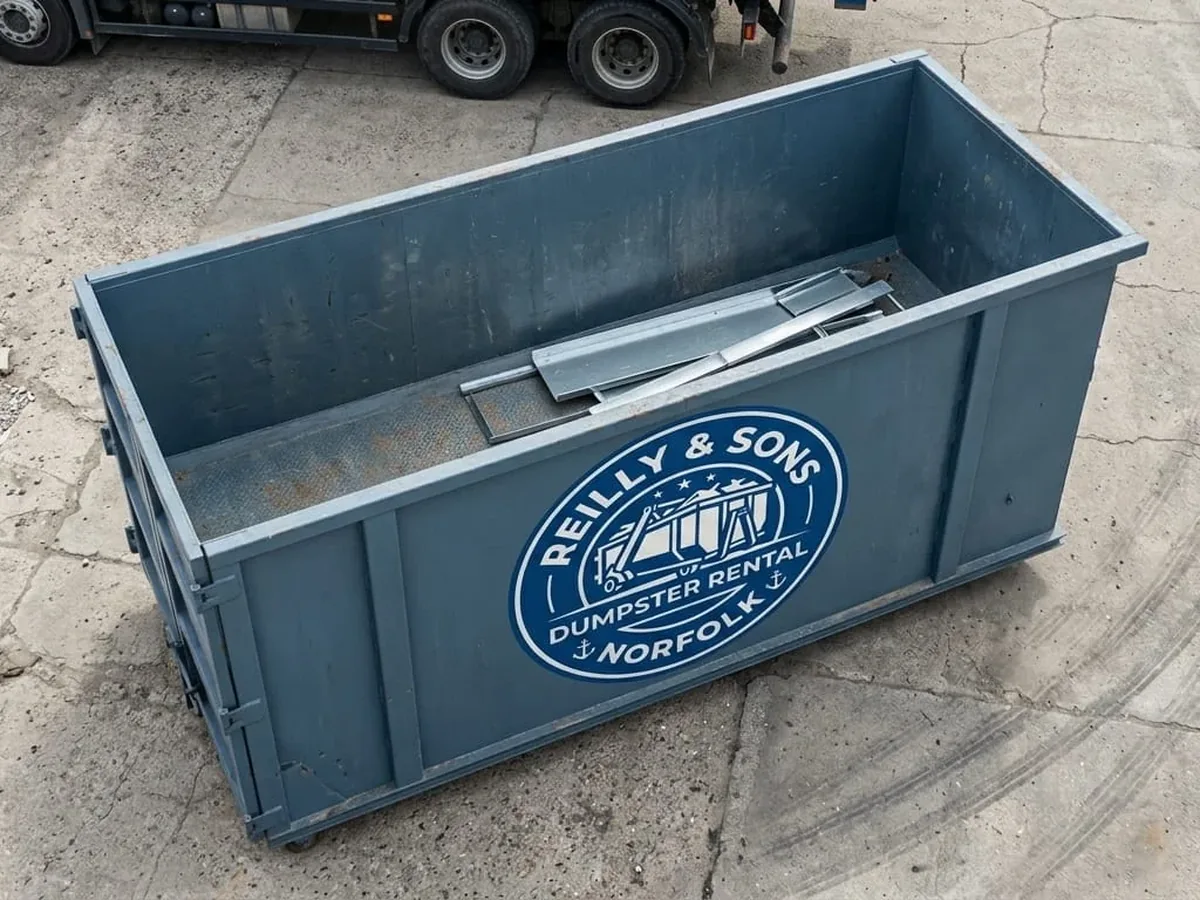
Most of what you want to get rid of is perfectly fine to toss in a rented dumpster. But a short list of materials is restricted by Virginia solid waste regulations, landfill policy, or straightforward safety concerns — and loading the wrong thing can mean a rejected load, a fee, or in some cases a real hazard for the crew handling it. Here's what actually goes where.
The bulk of a normal household or job-site cleanout is allowed without any special handling:
These items are restricted under Virginia Department of Environmental Quality solid waste rules, federal hazardous waste regulations, or standard landfill acceptance policies. Plan for separate disposal rather than trying to sneak them into a load:
A few items aren't outright banned everywhere but need to be flagged before the container arrives, since they either add weight fast or need special handling:
It's not just red tape. Hazardous items mixed into a general debris load can injure the crew loading or unloading the container, contaminate an entire load at the landfill (which can mean the whole container gets rejected, not just the one item), and in the case of things like refrigerant or asbestos, create a real environmental and legal exposure for whoever generated the waste — that's you, not just the hauling company. Virginia's solid waste rules exist because mixed loads containing banned material are a genuine hazard at transfer stations and landfills, not an abstract inconvenience.
A typical estate cleanout in a Ghent or Larchmont home, for example, might turn up an old paint can in the garage, a window AC unit, a couple of car batteries, and a broken thermostat, mixed in with furniture and boxes that are completely fine for the dumpster. That's normal — the fix is separating those few items out, not scrapping the whole cleanout plan. Our estate cleanout guide walks through sorting a full house without extra stress. If you're clearing debris after nuisance tidal flooding in Ocean View or Willoughby, or after a hurricane, waterlogged drywall and insulation are fine for a standard dumpster, but check first for fuel-soaked material or leaked appliance refrigerant, which are not.
The cheapest fix for a questionable item is a two-minute phone call before the truck shows up, not a rejected load or fee after it's already loaded. Call (757) 290-7723 and describe what you're clearing out — we'll tell you straight whether it goes in the dumpster, needs a separate drop-off, or needs to come out before pickup. A short conversation up front is a lot cheaper than a truck getting turned away at the transfer station because of one item buried in the middle of the load.
Talk to a real person
Call (757) 290-7723 and describe the job. Flat price, stated tonnage allowance, and a delivery window on the same call.
Mon–Sat 7:00am – 7:00pm
From this guide
No. Liquid or wet paint is household hazardous waste and is banned from standard dumpsters and landfills. Fully dried, empty paint cans are typically fine, but check with us first.
Often yes, but many haulers charge a separate per-item fee for mattresses and box springs because of how landfills handle them. Ask before loading one so it's reflected in your price.
Not until the refrigerant is professionally recovered. Appliances with refrigerant, including fridges, freezers, and window AC units, need that step before they can go in a standard dumpster.
Asbestos-containing material, common in homes built decades ago, requires certified abatement and cannot go in a roll-off dumpster. If you suspect asbestos, have it tested before demolition starts.
Keep reading
A plain-language walkthrough of when the City of Norfolk requires a permit for a roll-off dumpster, and how to get one without the runaround.
ReadWhat to know about renting a dumpster before and after a hurricane hits coastal Virginia, from timing to what storm debris is safe to load.
ReadNorfolk's nuisance flooding doesn't need a hurricane to happen. Here's how to handle water-damaged debris when it's just an ordinary high tide.
Read