The PCS Move Dumpster Guide: Getting Out On Time, Not On Sale
A PCS timeline doesn't bend for a garage sale. Here's how a dumpster rental fits into a military move-out near Naval Station Norfolk and Little Creek.
ReadPlacement guide
A loaded roll-off dumpster is heavy. Here's how placement and simple protection steps keep your driveway, lawn, and property in good shape.
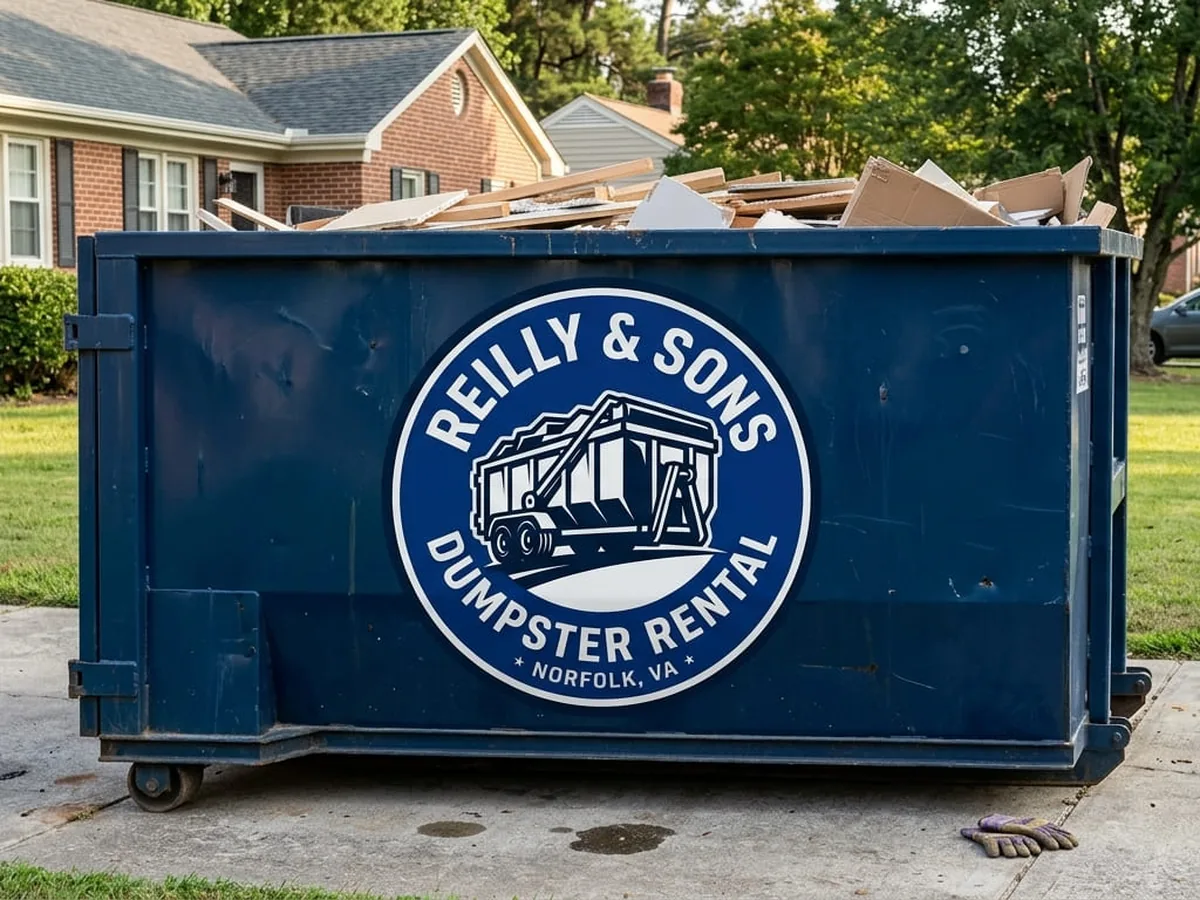
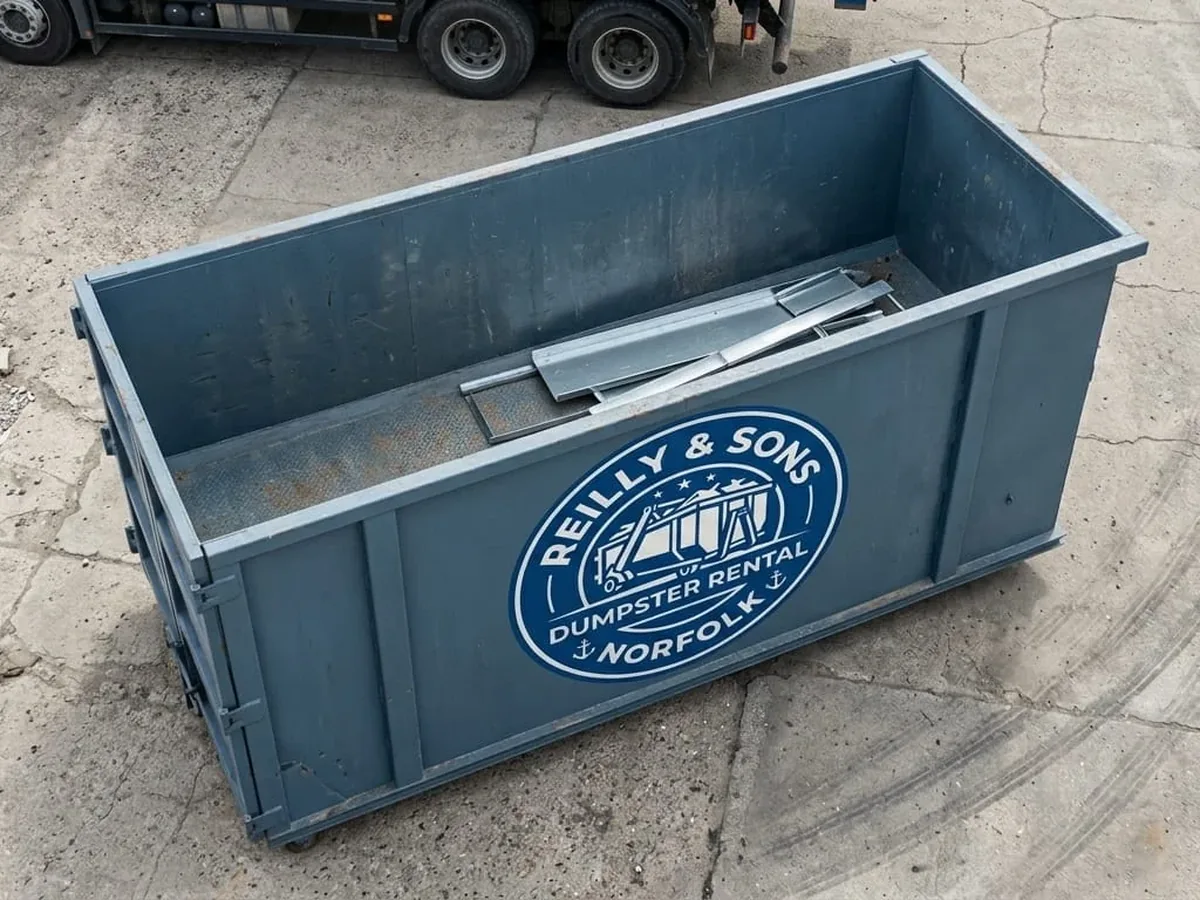
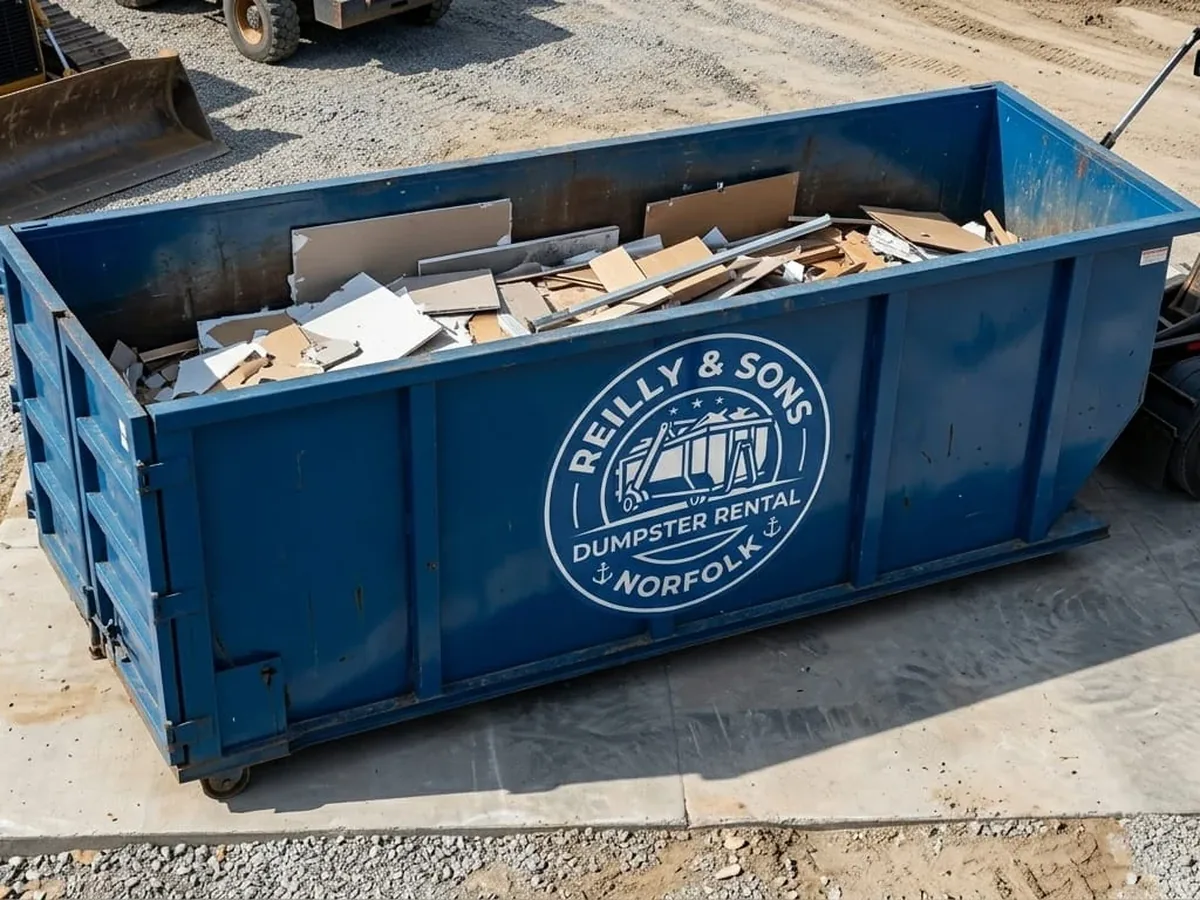
A roll-off dumpster, especially once it's loaded, is a genuinely heavy piece of equipment sitting in one spot for days. A 20 yard container full of debris can weigh several tons, and the delivery truck itself adds significant weight during drop-off and pickup. None of that should damage your property if placement is planned properly, but it's worth understanding what's actually happening so you know what to ask for and what to expect.
The ideal spot is a flat, stable surface that can handle sustained weight without shifting — a concrete or asphalt driveway is usually the best option. A few placement rules we follow and recommend:
Driveways handle the weight of a loaded dumpster fine in most cases, but a few things reduce wear and the odds of any surface damage:
If your driveway already has visible damage, cracking, or a slope that concerns you, mention it when booking — we can talk through placement boards or an alternate spot on the property.
A lot of the housing stock in neighborhoods like Ghent, Larchmont, Colonial Place, and Park Place was built decades before roll-off dumpsters existed, which means driveways are often narrower and shorter than what newer construction allows for. A few things that come up often in these neighborhoods:
When a driveway genuinely isn't an option and the dumpster has to sit on grass, gravel, or a soft surface, a bit of extra planning helps:
Because parts of Norfolk, especially low-lying areas like Ocean View and Willoughby, deal with nuisance tidal flooding even without a storm, it's worth thinking about drainage when placing a dumpster. Avoid spots that collect standing water after normal rain or high tide, since a dumpster sitting in ponded water for days doesn't help the loading process and can make the surrounding ground softer than expected.
A short list of things worth confirming with us before the truck shows up:
None of this needs to be complicated — a quick conversation when booking, and clear photos or a description of the drop-off spot, is usually enough for us to plan placement that protects your property from the start.
Talk to a real person
Call (757) 290-7723 and describe the job. Flat price, stated tonnage allowance, and a delivery window on the same call.
Mon–Sat 7:00am – 7:00pm
From this guide
Most driveways handle a loaded dumpster without issue, especially with placement boards under the rails to spread the weight. Existing cracks, weak spots, or very hot asphalt increase the risk slightly, so mention any concerns before delivery.
Yes, when there's no driveway option, but plywood or placement boards under the full footprint help prevent sinking and rutting, especially after rain. Let us know ahead of time if grass or gravel is the only available spot.
If any part of the container sits on a public street or right-of-way rather than entirely on private property, a City of Norfolk permit is typically required. This comes up most often on narrow older-neighborhood driveways where street placement is the only option.
Plan for roughly 20-25 feet of vertical clearance at the drop-off spot for the truck's raised bed during delivery and pickup. Low tree limbs, power lines, or carport roofs near the intended spot should be flagged before scheduling.
Keep reading
A PCS timeline doesn't bend for a garage sale. Here's how a dumpster rental fits into a military move-out near Naval Station Norfolk and Little Creek.
ReadA straight answer on dumpster pricing in the Norfolk area, what pushes the price up or down, and how to avoid surprise fees.
ReadKnow before you load: a practical rundown of what's fine to toss and what Virginia and federal rules keep out of a roll-off container.
Read